

Process improvement is relevant far beyond the factory floor. Healthcare organizations, government agencies, logistics operations, IT teams, manufacturers, utilities, and financial services all depend on processes that affect efficiency, consistency, quality, and service delivery. Professionals who understand how to examine those processes and identify opportunities for improvement can contribute to better outcomes across many types of organizations.
This broader relevance is one reason Lean Six Sigma training can support professionals working in different roles and industries. Rather than limiting process improvement knowledge to operations or quality specialists, structured training helps professionals understand problems, identify waste, examine variation, and contribute to improvement within their own areas of responsibility.
Through RPM Academy, Lean Six Sigma Coach provides structured learning aligned with the International Lean Six Sigma Institute. The Lean Six Sigma certification pathway ranges from foundational White Belt training to Yellow Belt, Green Belt, Black Belt, and Champion programs, allowing professionals to select training that reflects their development goals and responsibilities.
Completing training earns a Certificate of Completion. Certification is a separate validation process available for Yellow Belt, Green Belt, and Black Belt. It requires completing the required courses, passing an exam, and submitting practical application evidence. White Belt and Champion programs lead to a Certificate of Completion only.
This guide explores why process improvement capabilities matter, how they can support professionals across different sectors, and how structured Lean Six Sigma training can contribute to long-term professional development.
What Is Driving the Need for Process Improvement Skills?
Organizations continually look for ways to use resources effectively, improve workflows, solve recurring problems, and create more consistent outcomes. Structured process improvement skills give professionals practical ways to contribute to these goals.
Managing Resources More Effectively
Organizations need to use people, time, materials, information, and other resources effectively. Simply adding more resources does not necessarily solve an inefficient process.
Lean Six Sigma training helps professionals examine how work is completed and identify activities that may not add value. This can include unnecessary steps, waiting, rework, inconsistent procedures, or problems that repeatedly interrupt normal work.
For professionals, developing this perspective can change how they contribute within their roles. Instead of only completing assigned tasks, they can begin identifying opportunities to improve the processes behind those tasks.
Solving Problems More Systematically
Operational problems are not always caused by one obvious issue. A delay, error, defect, or inconsistent result can have several contributing causes.
Structured problem solving helps professionals move beyond assumptions. Training introduces approaches for defining a problem, understanding the process involved, examining evidence, identifying potential causes, and supporting appropriate improvements.
This capability can help professionals become more confident contributors to improvement activities within their teams.
Supporting Continuous Improvement
Improvement is more sustainable when it becomes part of how an organization works rather than an isolated activity.
Lean Six Sigma provides a structured approach that can help teams examine current processes, identify improvement opportunities, implement changes, and support more consistent performance.
When more employees understand these concepts, improvement activities can become easier to communicate and coordinate across different roles.
Flexible Learning for Working Professionals
Online, self-paced learning makes professional development easier to fit around existing responsibilities.
Professionals can complete Lean Six Sigma training without stepping away from their current roles or following a fixed classroom schedule. This allows learners to develop their capabilities while continuing to apply what they learn within their existing work environments.
For professionals balancing work and development goals, flexibility can make structured learning considerably more accessible.
Where Lean Six Sigma Skills Can Be Applied
Process improvement is not limited to one sector. Whenever work follows a process, professionals can benefit from understanding how to examine that process and identify opportunities for improvement.
Government
Government organizations manage processes involving applications, approvals, administration, public services, reporting, procurement, and many other activities.
Lean Six Sigma methods can help professionals examine these workflows, identify delays or unnecessary activities, and understand where greater consistency may be possible.
For professionals working in government, process improvement knowledge can provide a structured way to contribute to better service delivery and more effective use of organizational resources.
Healthcare
Healthcare organizations coordinate clinical, administrative, operational, and support processes involving many different teams.
Lean Six Sigma methods can support examination of workflows such as patient movement, scheduling, administrative processing, communication, and other repeatable processes.
Professionals who understand process improvement can help identify inefficiencies, examine causes of inconsistency, and support more reliable workflows within their areas of responsibility.
Manufacturing
Manufacturing provides many practical opportunities to apply Lean and Six Sigma methods.
Professionals can examine production flow, workplace organization, defects, variation, waiting, unnecessary movement, and other factors affecting operational performance.
Lean focuses strongly on identifying and reducing waste, while Six Sigma provides methods for understanding variation and improving process consistency. Together, they provide professionals with complementary ways to examine manufacturing processes.
Logistics and Supply Chain
Transportation, warehousing, inventory management, order processing, and distribution all depend on coordinated processes.
A delay or inconsistency in one part of a workflow can affect other activities further along the process.
Lean Six Sigma training helps professionals develop a more structured understanding of these relationships. They can learn to map processes, identify bottlenecks, examine recurring problems, and contribute to improvements that support smoother operations.
Information Technology
IT teams manage repeatable processes involving service requests, incidents, support, implementation, communication, and other operational activities.
Process improvement methods can help professionals understand where delays occur, why problems repeat, and how to make workflows more consistent.
This makes Lean Six Sigma relevant not only to traditional operations roles but also to professionals responsible for technology-enabled processes and services.
Energy and Utilities
Energy and utility organizations depend on reliable operational, maintenance, administrative, and reporting processes.
Professionals working in these environments can use structured process improvement approaches to understand workflows, identify inefficiencies, investigate recurring problems, and support more consistent processes.
The specific application may vary by role, but the underlying ability to examine and improve a process remains relevant.
Financial Services and Other Process-Driven Environments
Financial services organizations also manage repeatable workflows involving applications, approvals, claims, customer service, documentation, and administrative processing.
The same principles can extend to education, retail, professional services, and other environments where work follows repeatable processes.
This broad applicability makes process improvement knowledge useful for professionals who want skills that are not limited to a single operational setting.
Read more on Which Certification Track Should You Choose Based on Your Job Role?
What Organizations Gain From Lean Six Sigma-Trained Teams
Organizations can benefit when employees share a structured approach to identifying and solving process problems.
A Shared Approach to Improvement
When employees receive structured Lean Six Sigma training, they develop a common understanding of improvement concepts and methods.
This makes it easier for teams to discuss problems, examine workflows, and participate in improvement activities without each department creating an entirely different approach.
A common framework can also support collaboration when a process crosses several functions.
More Structured Decision Making
Lean Six Sigma training encourages professionals to understand a problem before moving directly to a solution.
Instead of relying only on assumptions, teams can examine the process, gather relevant information, identify potential causes, and determine where to focus improvement efforts.
This structured approach can help professionals contribute more effectively to improvement initiatives.
Building Internal Improvement Capability
Organizations do not necessarily need every employee to become an advanced process improvement practitioner.
Different levels of training support different levels of involvement.
Some employees may need foundational awareness. Others may support projects, lead improvement initiatives, or provide organizational leadership and sponsorship.
Building capability across these different roles can help organizations develop internal knowledge that supports ongoing improvement.
Better Collaboration Across Functions
Many processes do not belong to a single department.
A workflow may move between sales, operations, finance, IT, customer service, procurement, or other functions before it is complete.
When employees understand common process improvement concepts, they can examine the complete workflow rather than focusing exclusively on one department’s performance.
This broader perspective can support better coordination and more effective improvement activities. Read 7 Signs Your Organization Is Ready for Lean Six Sigma Training.
What Lean Six Sigma Training Can Mean for Professionals
For individuals, the value of Lean Six Sigma training comes primarily from developing practical capabilities they can apply in the workplace.
Structured Professional Development
Lean Six Sigma provides a defined learning pathway rather than disconnected improvement concepts.
Professionals can begin with foundational learning or select a more advanced program that reflects their existing experience and professional goals.
Completion of each training program results in a Certificate of Completion. This confirms completion of the applicable training.
For Yellow Belt, Green Belt, and Black Belt learners, certification is a separate step that validates applied capability. It requires completion of the required courses, passing an exam, and submitting evidence of practical application.
Practical Skills That Support Workplace Contribution
Training focuses on understanding processes and approaching improvement in a structured way.
Depending on the program, professionals can develop capabilities in problem definition, process understanding, root cause analysis, waste identification, improvement planning, data-informed decision-making, and project participation or leadership.
The purpose is not simply to learn terminology. It is to develop a structured way of examining how work is performed and where improvement may be possible.
Supporting Career Progression
Professionals who can contribute effectively to improvement activities may be better prepared to take on broader responsibilities within their organizations.
At foundational levels, learners develop awareness and understanding. As training becomes more advanced, professionals develop the capability to participate in, support, and lead improvement initiatives.
For Yellow Belt, Green Belt, and Black Belt learners who want additional validation, certification provides a separate opportunity to demonstrate applied capability after training.
Skills That Can Transfer Across Roles
Process improvement principles are applicable in many environments because organizations across industries rely on repeatable processes.
A professional can therefore apply the same structured thinking when moving between departments, functions, or industries, even though the specific processes being improved are different.
This can make Lean Six Sigma training particularly relevant for professionals who want to develop capabilities that extend beyond one specific job function.
How Lean, Six Sigma, and Lean Six Sigma Work Together
Lean and Six Sigma address different but complementary aspects of process improvement.
Lean Focuses on Waste and Flow
Lean helps professionals examine how work moves through a process and identify activities that do not contribute value.
This can involve unnecessary movement, waiting, excess processing, rework, inventory, or other forms of waste.
By learning to recognize these issues, professionals can better understand how processes can be simplified and how work can flow more effectively.
Six Sigma Focuses on Variation and Consistency
Six Sigma helps professionals understand process performance and variation.
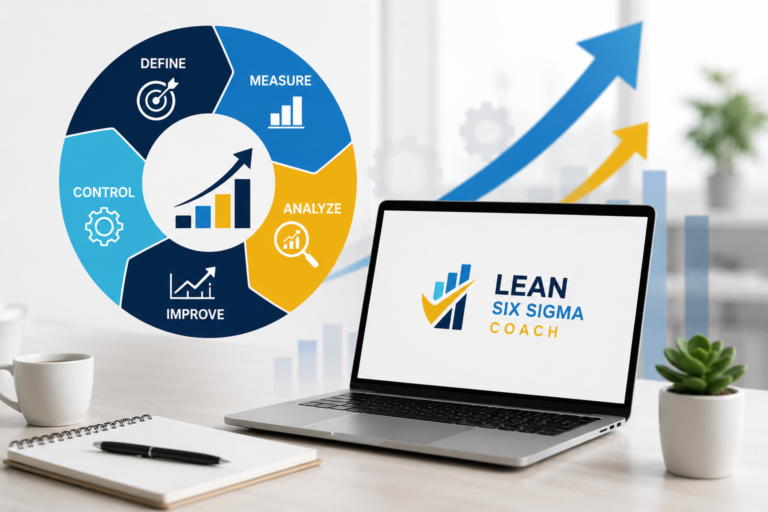
The DMAIC methodology provides a structured framework for defining a problem, measuring current performance, analyzing potential causes, improving the process, and establishing controls that support the improvement.
This gives professionals a systematic way to approach problems rather than relying solely on intuition.
Lean Six Sigma Brings the Approaches Together
Lean Six Sigma combines Lean principles for improving flow and reducing waste with Six Sigma methods for understanding variation and improving consistency.
Structured Lean Six Sigma training helps professionals build capabilities from both approaches within a broader process improvement framework.
The level and depth of those capabilities depend on the training program selected.
Training Pathways From White Belt to Black Belt and Champion-Level Leadership
RPM Academy provides progressive Lean Six Sigma training programs for professionals with different learning goals and levels of responsibility.
These are training programs first. Completing the applicable training results in a Certificate of Completion.
Certification is separate and applies only to Yellow Belt, Green Belt, and Black Belt. It requires completion of the required courses, passing an exam, and submission of practical application evidence.
White Belt and Champion do not have a separate certification process.
White Belt Builds Foundational Awareness
The Certificate in Lean Six Sigma White Belt introduces foundational Lean Six Sigma concepts and helps learners understand the purpose of structured process improvement.
It is appropriate for professionals who want awareness of Lean Six Sigma and a clearer understanding of how improvement activities fit within an organization.
Completion of White Belt training results in a Certificate of Completion. White Belt is a Certificate program and does not include a separate certification process.
Yellow Belt Builds Practical Participation Skills
Yellow Belt training develops a stronger understanding of process improvement and prepares learners to contribute to structured improvement activities.
Professionals can build capabilities that help them understand processes, identify problems, examine potential causes, and participate more effectively in team-based improvement.
Completion of training results in a Certificate of Completion.
Learners who want to validate their applied capability can separately pursue Yellow Belt certification after completing the required courses, passing an exam, and submitting practical application evidence.
Green Belt Develops Project Leadership Capability
Green Belt training is designed for professionals who want to develop stronger process improvement and project leadership capabilities.
Learners build on foundational concepts and develop the ability to apply structured improvement methods to more substantial workplace challenges.
The Certificate in Lean Six Sigma Green Belt confirms completion of Green Belt training.
Green Belt certification is a separate validation step. It requires completion of the required courses, passing an exam, and demonstration of practical application through the required evidence.
This distinction is important because training develops capability, while certification validates that capability separately.
Black Belt Develops Advanced Improvement Capability
Black Belt training develops more advanced process improvement, analytical, project leadership, and organizational improvement capabilities.
It is designed for professionals seeking greater responsibility for complex improvement initiatives and broader improvement leadership.
Completion of Black Belt training leads to a Certificate of Completion.
Black Belt certification remains a separate process that requires completion of the required courses, passing an exam, and submitting practical application evidence.
The Certificate therefore confirms training completion, while certification validates applied capability.
Champion Develops Improvement Leadership Understanding
The Certificate in Lean Six Sigma Champion is intended for leaders who need to understand how to support, sponsor, and align improvement activities within an organization.
Champion training focuses on the leadership role surrounding improvement rather than positioning the participant as the person responsible for personally completing every improvement activity.
Completion leads to a Certificate of Completion.
Champion is a Certificate program only. Certification does not apply to the Champion program.
Selecting the Appropriate Training Level
Professionals do not necessarily need to complete every preceding program before selecting the training that best matches their goals.
Advanced programs incorporate relevant earlier concepts, allowing learners to select a pathway based on their responsibilities, existing experience, and development objectives.
This gives professionals flexibility while maintaining a structured learning experience.
What Accredited, Self-Paced Training Looks Like in Practice
Flexible online learning can help professionals develop Lean Six Sigma capabilities while continuing to manage existing work responsibilities.
Learning at Your Own Pace
Self-paced Lean Six Sigma training lets learners progress through course content based on their available time.
Rather than following a fixed classroom timetable, professionals can work through learning materials around their existing responsibilities.
This can be particularly useful for working professionals who need professional development to fit around full-time employment.
Self-paced learning also lets learners spend more time on concepts that require extra attention while moving faster through areas they already understand.
Alignment With an Established Learning Framework
RPM Academy’s programs are aligned with the International Lean Six Sigma Institute.
This alignment supports a structured learning pathway and gives professionals a clear framework for developing Lean Six Sigma knowledge and practical capabilities.
However, it is important to distinguish this training alignment from certification itself.
Completion of training leads to a Certificate of Completion. At Yellow Belt, Green Belt, and Black Belt levels, certification requires the additional validation steps defined for those programs.
Coaching and Learning Support
Flexible learning does not mean professionals must develop their skills without support.
Coaching can help learners understand how course concepts relate to workplace situations and can guide them as they work through more advanced material.
This can be particularly valuable when professionals begin connecting structured improvement methods with practical application.
The objective is to help learners move beyond simply recognizing terminology and toward understanding how to use concepts appropriately in their professional environments.
Developing Capability Across Teams
Organizations may also use structured training to build process improvement understanding across different roles and departments.
Different employees can develop different levels of capability depending on their responsibilities.
Some may need foundational White Belt awareness. Others may benefit from Yellow Belt participation skills, Green Belt project capability, Black Belt advanced improvement capability, or Champion leadership understanding.
This creates a broader organizational learning structure without incorrectly treating every employee as certified simply because they completed training.
Progressing Into Further Training
Professionals can select additional training as their responsibilities and development goals change.
Someone beginning with foundational awareness may later decide that a more advanced program better reflects the contribution they want to make.
Similarly, professionals completing Yellow Belt, Green Belt, or Black Belt training can decide whether they want to pursue the separate certification process and validate their practical application.
This separation gives learners clarity about what training provides and what certification represents.
Common Questions About Lean Six Sigma Certification Career Development
What Is the Difference Between Lean, Six Sigma, and Lean Six Sigma?
Lean focuses on identifying waste and improving how work flows through a process. Six Sigma focuses on understanding variation, improving consistency, and using structured analysis to address process problems.
Lean Six Sigma brings these approaches together so professionals can examine both efficiency and consistency within process improvement activities.
Do I Need a Technical or Manufacturing Background to Pursue Lean Six Sigma Training?
Lean Six Sigma concepts can be applied to processes in different sectors, including manufacturing, healthcare, government, logistics, IT, energy, financial services, and other process-driven environments.
The appropriate starting point depends on the learner’s goals, experience, and intended level of involvement in improvement activities.
How Long Does It Take to Complete a Lean Six Sigma Course?
Completion time depends on the program selected and how much time an individual learner can dedicate to training.
A self-paced format gives professionals greater flexibility to fit learning around existing work responsibilities rather than requiring everyone to follow the same classroom timetable.
Certification should not be confused with course completion. Where certification applies, the Yellow Belt, Green Belt, and Black Belt certification process includes requirements beyond simply completing training.
What Lean Six Sigma Training Level Should I Start With?
The appropriate training level depends on what you want to learn and how you expect to apply the knowledge.
White Belt provides foundational awareness. Yellow Belt builds greater capability to participate in improvement activities. Green Belt develops stronger project improvement capability, while Black Belt provides more advanced improvement and leadership development.
Champion training is designed for organizational leaders responsible for supporting and aligning improvement activities.
There are no strict requirements to complete every previous belt before selecting a more advanced program because the learning pathway incorporates relevant foundational concepts.
Can Organizations Use Self-Paced Lean Six Sigma Training for Teams?
Structured online training can support organizations that want employees across different functions to develop a shared understanding of process improvement.
The appropriate program can vary according to each employee’s responsibilities.
Training completion results in a Certificate of Completion. Yellow Belt, Green Belt, and Black Belt employees who want certification must separately satisfy the applicable certification requirements.
Can Lean Six Sigma Skills Be Applied Across Different Industries?
Lean Six Sigma focuses on processes, which makes its concepts relevant in many types of organizations.
Specific problems may differ between manufacturing, government, healthcare, logistics, IT, utilities, financial services, and other sectors, but professionals in each environment can benefit from learning to understand workflows, identify problems, examine causes, and support structured improvement.
Build Your Lean Six Sigma Capability With the Right Training Pathway
Process improvement is relevant wherever organizations depend on repeatable workflows, coordinated teams, consistent performance, and effective use of resources.
For organizations, developing internal Lean Six Sigma knowledge can create a shared approach to examining problems and supporting improvement. Different training levels allow employees to develop capabilities appropriate to their responsibilities, from foundational awareness to project leadership and organizational sponsorship.
For professionals, Lean Six Sigma training provides a structured way to develop process improvement capabilities that can be applied across different roles and work environments. Completing the training earns a Certificate of Completion, confirming that the applicable program has been completed.
Certification is different. Yellow Belt, Green Belt, and Black Belt learners can pursue certification separately by completing the required courses, passing an exam, and submitting evidence of practical application. Certification therefore validates applied capability rather than simply confirming attendance or course completion.
White Belt and Champion remain Certificate programs only.
Whether your goal is to build foundational awareness, participate more effectively in improvement activities, develop project leadership capabilities, or support improvement at an organizational level, choosing the right Lean Six Sigma training pathway helps you develop capabilities that reflect your professional goals.
Enroll in the appropriate program with Lean Six Sigma Coach through RPM Academy to begin building practical process improvement skills through a structured, flexible learning pathway.
Frequently Asked Questions
Does completing Lean Six Sigma training provide certification?
No. Completing a training program leads to a Certificate of Completion. Certification is a separate validation process available only for Yellow Belt, Green Belt, and Black Belt. It requires completing the required courses, passing an exam, and submitting evidence of practical application.
Which Lean Six Sigma programs offer certification?
Certification is available separately for Yellow Belt, Green Belt, and Black Belt after you complete the applicable requirements. White Belt and Champion are Certificate programs only and do not have a separate certification process.
Can I start with Green Belt or Black Belt training without completing every previous belt?
Yes. RPM Academy does not require learners to complete every preceding belt before choosing a more advanced program. Relevant foundational concepts are incorporated into the learning pathway, allowing professionals to select training based on their experience, responsibilities, and career goals.
How can Lean Six Sigma training support career development?
Lean Six Sigma training helps professionals build practical capabilities to understand processes, solve problems, identify inefficiencies, and contribute to improvement initiatives. More advanced training develops capabilities relevant to project leadership and broader improvement responsibilities.